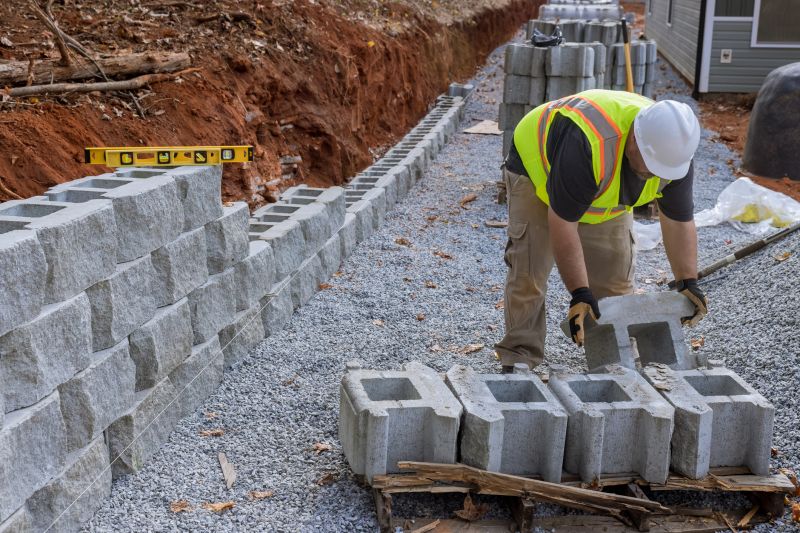
Retention Wall Construction in Tampa, FL
Retention wall construction services involve creating structures designed to hold back soil and prevent erosion on residential properties. These walls are commonly used in landscaping projects, such as terracing sloped yards, creating level areas for gardens or patios, and managing drainage issues. Property owners often seek these services to improve the stability of their landscape, enhance curb appeal, or address specific terrain challenges. Before requesting a retention wall, it’s helpful to understand the size and layout of the area, the type of soil and drainage conditions, and any local regulations or permits that may be required.
Typically, homeowners want to know what materials are suitable for their project, including options like concrete, stone, or timber, and how each choice impacts durability and appearance. It’s also important to consider the overall design, the expected load the wall will need to support, and the potential need for excavation or reinforcement. Clear understanding of these factors can help ensure the retention wall construction meets the specific needs of the property and provides long-lasting stability.
Many property owners in Tampa, FL look into Retention Wall Construction for repairs, replacements, upgrades, and appearance-related improvements.
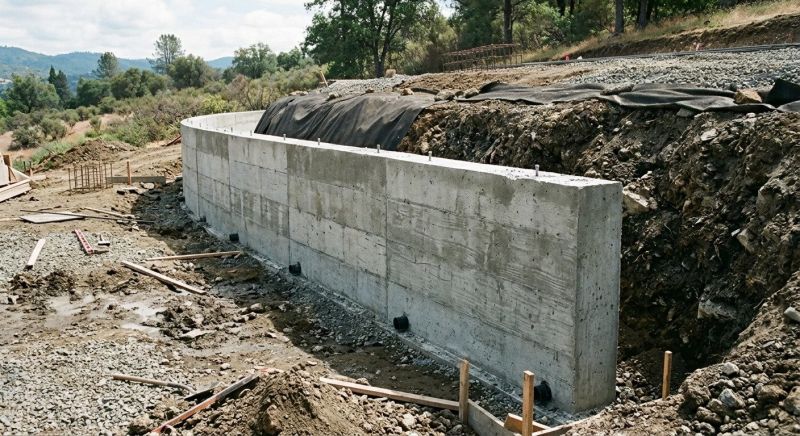
Types Of Retention Walls
Different materials and styles can enhance the stability and appearance of your property.
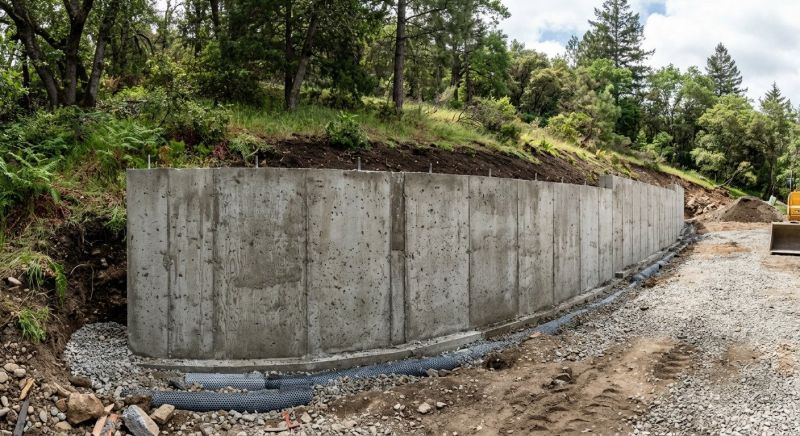
Benefits Of Retention Walls
Properly constructed walls prevent erosion and create usable outdoor spaces in tampa neighborhoods.
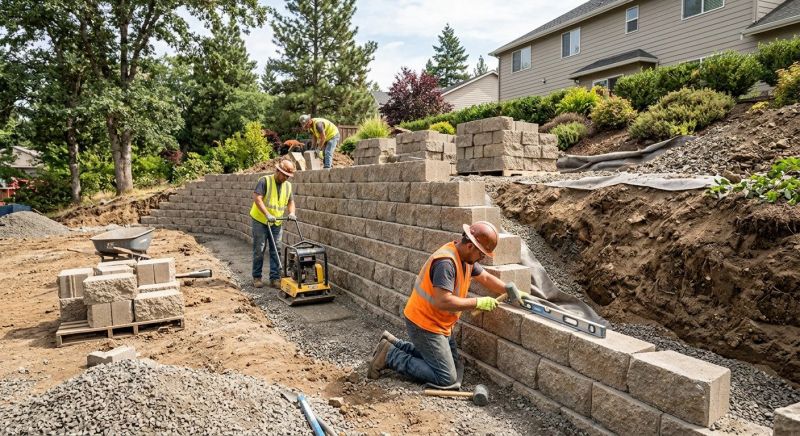
Design Considerations
Selecting the right design ensures your retention wall complements your landscape and withstands local conditions.
Retention Wall Construction in Tampa, FL

Retention wall construction services involve creating structures designed to hold back soil and prevent erosion on residential properties. These walls are commonly used in landscaping projects, such as terracing sloped yards, creating level areas for gardens or patios, and managing drainage issues. Property owners often seek these services to improve the stability of their landscape, enhance curb appeal, or address specific terrain challenges. Before requesting a retention wall, it’s helpful to understand the size and layout of the area, the type of soil and drainage conditions, and any local regulations or permits that may be required.
Typically, homeowners want to know what materials are suitable for their project, including options like concrete, stone, or timber, and how each choice impacts durability and appearance. It’s also important to consider the overall design, the expected load the wall will need to support, and the potential need for excavation or reinforcement. Clear understanding of these factors can help ensure the retention wall construction meets the specific needs of the property and provides long-lasting stability.
Many property owners in Tampa, FL look into Retention Wall Construction for repairs, replacements, upgrades, and appearance-related improvements.
Common Retention Wall Construction Jobs
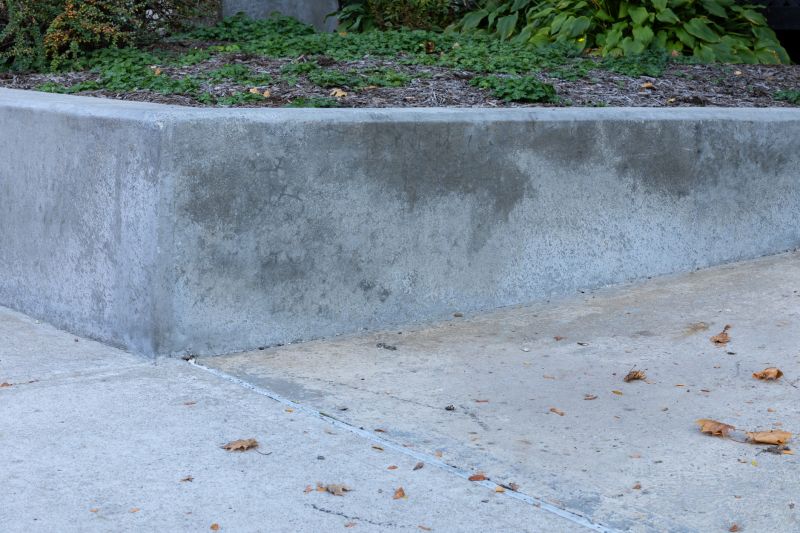
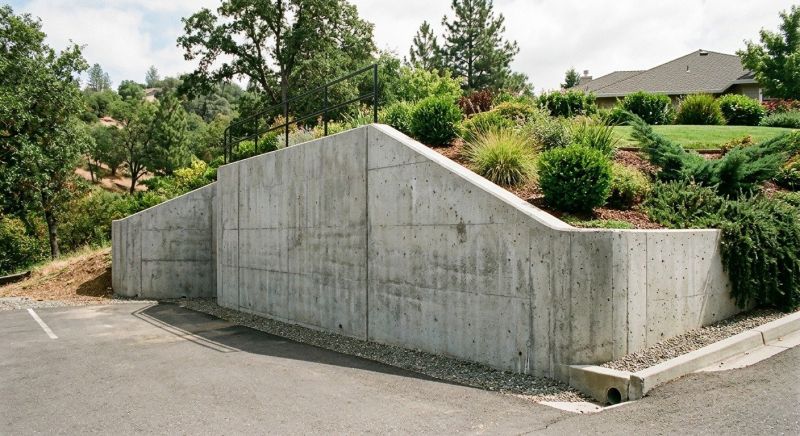
Concrete Retaining Walls - designed to provide sturdy support for sloped yards and prevent soil erosion.
Stone Retaining Walls - add natural beauty and durability to landscape terraces and garden beds.
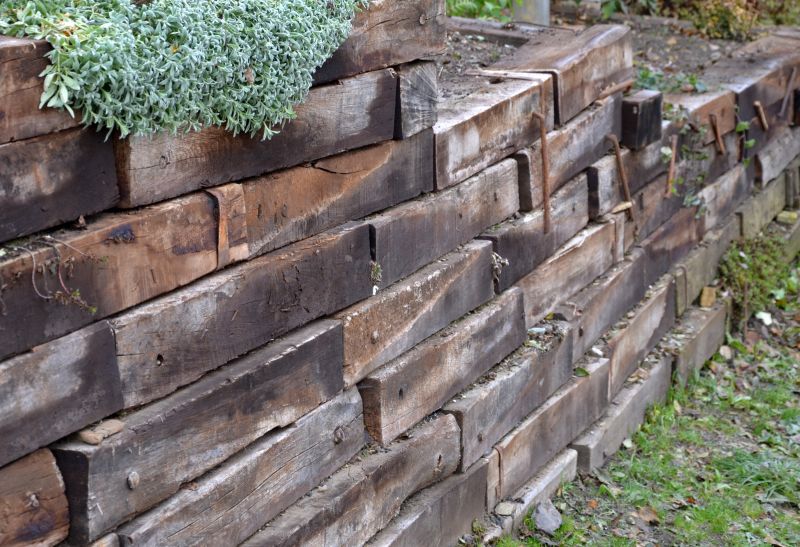
Wood Retaining Walls - suitable for creating raised planting areas and tiered garden spaces.
Segmental Block Walls - versatile solutions for level changes and property boundaries.
Gabion Walls - constructed with wire cages filled with rocks for a modern, functional look.
Reinforced Soil Walls - ideal for supporting large excavations and heavy loads on properties.
Retention Wall Construction Questions
What types of retaining walls are available for residential properties? Common options include concrete, stone, and timber walls, each suited for different aesthetic and structural needs.
How does a retaining wall improve a property's landscape? It helps prevent soil erosion, creates level areas, and adds visual appeal to outdoor spaces.
What should property owners consider before building a retaining wall? Factors like soil type, slope, drainage, and intended use influence the best design and materials choices.
Are retaining walls suitable for all soil conditions? They work well in most soil types, but specific conditions may require specialized construction techniques.
Request Retention Wall Construction in Tampa, FL
Use the quote form on this page to share the basics of your project and request more information for the type of work you need.