Compare Local Contractors for Retention Wall Construction Success
Compare local contractors for retention wall construction to define project scope, verify experience, and set clear expectations for a successful build.
Retaining wall construction involves creating structures designed to hold back soil and prevent erosion on sloped or uneven land. This work typically includes assessing the terrain, selecting appropriate materials such as concrete, stone, or timber, and ensuring the wall’s stability through proper drainage and reinforcement techniques. Property owners often seek these services to improve landscape functionality, enhance property boundaries, or create level areas for outdoor features. Understanding the scope of this work helps ensure that the wall is built to meet specific site conditions and long-term stability requirements.
Defining the scope of a retention wall project is crucial for establishing clear expectations and avoiding misunderstandings. It involves detailing the size, height, and design of the wall, as well as any additional features like steps, terraces, or drainage systems. A well-defined scope also covers site preparation needs, such as excavation or soil removal, and specifies the materials to be used. Having these details in writing provides a reference point for property owners and contractors, helping to ensure that everyone is aligned on the project’s goals and deliverables.
When comparing local contractors for retention wall construction, property owners should consider their experience with similar projects and their familiarity with local soil and climate conditions. It’s helpful to review each contractor’s portfolio or references to verify their expertise. Additionally, understanding how each service provider approaches project planning, communication, and documentation can assist in making an informed choice. By evaluating these factors, property owners can select a contractor capable of delivering a durable and well-constructed retention wall that aligns with the specific needs of the property.
Compare local contractors by outlining project priorities, verifying experience, and clearly defining scope and expectations in writing.
- Compare Contractors - review multiple local service providers to find the best match for your retention wall project.
- Define Project Scope - clearly outline the work details to ensure understanding between you and the contractor.
- Verify Experience - check the background and past work of local contractors to assess their expertise.
- Document Expectations - put all project details and agreements in writing to set clear expectations.
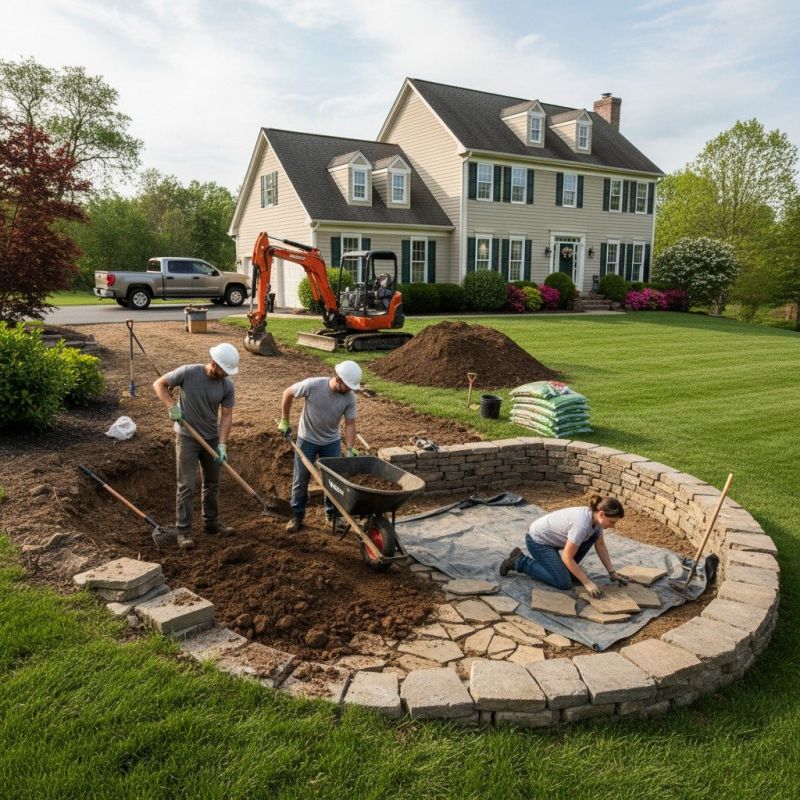
Compare local contractors by clearly describing your retention wall project, verifying their experience, and setting expectations in writing.
- Verify experience and expertise in retaining wall construction to ensure the contractor understands the specific requirements of the project. - Look for local contractors with a proven track record of completing similar retention wall projects successfully.
- Define the scope of work clearly in writing, including materials, design details, and project specifications, to set proper expectations. - Ensure all project details are documented to prevent misunderstandings or scope creep during construction.
- Check references or reviews to assess the quality of work and reliability of potential service providers. - Gathering feedback from previous clients can help evaluate the contractor’s performance and professionalism.
- Confirm that the contractor is familiar with local building codes and regulations related to retaining walls. - Compliance with local standards is essential for safety and legal approval of the project.
- Request detailed written proposals that outline the work plan, materials, and responsibilities of each party involved. - A comprehensive proposal helps compare different service providers and ensures transparency.
- Discuss and agree upon project timelines, payment terms, and warranty provisions in writing before work begins. - Clear agreements on these aspects help prevent disputes and clarify expectations.
Use this to compare local contractors, clarify scope, verify experience, and set clear expectations.

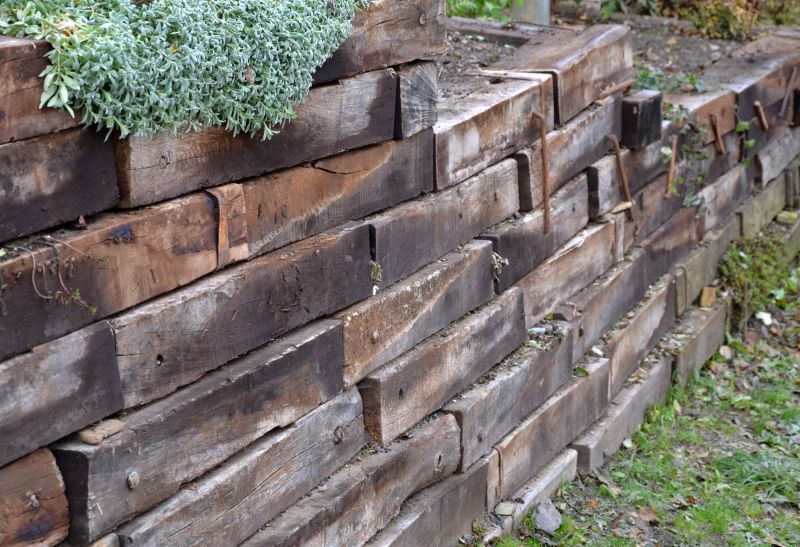

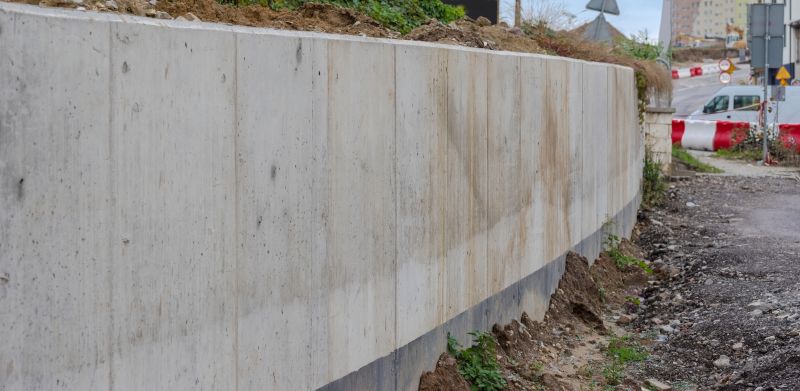
Use clear, consistent criteria to compare local contractors' scope, experience, and written expectations for retention wall projects.
- Project Scope Definition - Clearly outline the size, height, and materials of the retention wall to establish project parameters.
- Site Conditions Assessment - Evaluate soil type, drainage, and surrounding landscape to inform construction requirements.
- Design Specifications - Develop detailed plans and drawings that specify the wall’s structure, aesthetics, and functional features.
- Material and Construction Methods - Identify the types of materials and construction techniques suitable for the project scope.
- Experience and Qualifications - Verify the experience of local contractors with similar retention wall projects to ensure capability.
When evaluating contractors for retention wall construction, it is important to consider their experience with similar projects. Homeowners should seek service providers who have a proven track record of building walls in comparable environments and soil conditions. Asking for examples of past work or references can help verify whether a contractor has the relevant expertise to handle the specific challenges of the site. Experienced contractors are more likely to understand the nuances involved in retaining wall construction, which can contribute to a successful outcome.
A clear, written scope of work is essential when comparing contractors. This document should outline the specific tasks, materials, and responsibilities involved in the project. Having a detailed scope helps prevent misunderstandings and ensures that all parties have aligned expectations. Homeowners are encouraged to review the scope carefully, asking service providers to clarify any ambiguous language or missing details. A well-defined scope also facilitates a more straightforward process for evaluating each contractor’s approach and thoroughness.
Verification basics involve confirming a contractor’s credentials and reputation through independent sources. Homeowners should look for local service providers who have established credibility within the community. Checking references or reviews can provide insights into the contractor’s reliability and quality of work. It’s also helpful to verify that the contractor has appropriate insurance coverage and adheres to industry standards. This verification process helps ensure that the chosen professional is capable of completing the project safely and effectively.
When comparing options, focus on the scope of work, experience, and how well each contractor’s proposal aligns with project needs. It is beneficial to ask service providers for detailed descriptions of their process and materials, and to compare how each one plans to address potential challenges. Homeowners should also consider the communication style and responsiveness of each contractor, as these factors can influence the overall experience. By thoroughly reviewing these aspects, homeowners can make informed decisions based on the quality and suitability of the proposals, rather than price alone.
Ask contractors to provide written scope details to ensure clear expectations and consistent project understanding.
- Scope Clarification - What specific tasks and responsibilities will each contractor include in their retention wall construction services?
- Experience Verification - How can homeowners verify the previous experience and expertise of local contractors in retention wall projects?
- Material and Design Options - What types of materials and design styles do service providers typically recommend for retention walls?
- Scope Comparison - How do local contractors differ in the scope of work they offer for retention wall construction?
- Written Agreements - What details should be included in the written scope of work to ensure clear expectations between homeowners and contractors?
How can I compare different contractors for retention wall construction? To compare contractors, review their experience, ask for references, and verify their reputation through reviews or industry associations. Ensuring they understand your scope helps find the best fit for your project.
What should I include in the scope of work when working with a contractor? Clearly outline the project details, materials, design expectations, and any specific requirements. Providing a detailed scope helps contractors deliver accurate proposals and meet your expectations.
How do I verify a contractor's experience with retention wall projects? Ask for examples of past work, references from previous clients, and details about similar projects they've completed. This information can help assess their familiarity with your type of project.
What questions should I ask a contractor during the initial consultation? Inquire about their experience, approach to project planning, materials they recommend, and how they handle unforeseen issues. Clear communication ensures alignment on project expectations.
Why is it important to have a written agreement with a contractor? A written agreement clearly defines the scope, responsibilities, and expectations, reducing misunderstandings and providing a reference throughout the project.
How can I ensure a contractor understands my project needs? Provide detailed information about your desired outcome, site conditions, and any specific preferences. Open communication helps contractors deliver results aligned with your vision.
This page has highlighted the importance of thoroughly comparing local contractors for retention wall construction, understanding how to define the scope of work, and verifying relevant experience. Emphasizing the value of clear communication and written expectations can help ensure the project aligns with your needs. Utilizing the quote form provides a straightforward way to explore your options and connect with qualified service providers in your area.
Taking the time to evaluate and compare local contractors can make a difference in your project planning. By using the quote form, you can easily gather information and find local service providers equipped to handle retention wall construction. This approach supports making informed decisions tailored to your specific project requirements.